Main Navigation
Main Content
Sidebar
Register
Login
##plugins.themes.healthSciences.language.toggle##
English
Català
Castellano
Treballs de sociolingüística catalana
Toggle navigation
Current
Archives
About
About the Journal
Contact
Subjects
Home
Archives
Archives
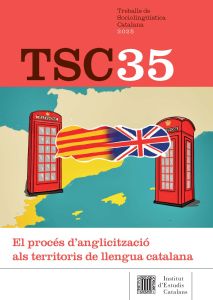
No. 35 (2025): El procés d’anglicització als territoris de llengua catalana
No. 34 (2024): Llengües, mobilitats i migracions
No. 33 (2023): Llengua i economia
No. 32 (2022): L'avaluació de les polítiques lingüístiques
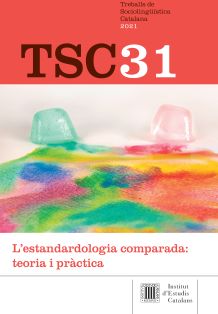
2021: 31 : L’estandardologia comparada: teoria i pràctica
2020: 30 : Trajectòries sociolingüístiques: nous i vells parlants
2019: 29 : La llengua catalana i la mundialització
2018: 28 : Llengua i poder
2017: 27 : La transmissió lingüística intergeneracional
2016: 26 : Les llengües en les tecnologies de la informació i la comunicació
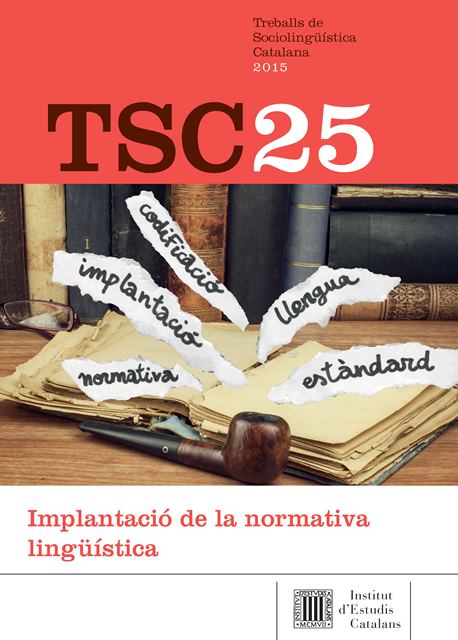
2015: 25 : Implantació de la normativa lingüística
2014: 24 : Les ideologies lingüístiques
2013: 23 : La Sociolingüística de la variació en l'àmbit de la llengua catalana
2012: 22 : Els usos lingüístics a Catalunya. Un estat de la qüestió
2011: 21 : La sociolingüística catalana. Balanç i reptes de futur
2010: 20 : Llengua i ensenyament
2006: 19 : La situació sociolingüística a Andorra
2004: 18 : La situació sociolingüística a les Illes Balears
2003: 17 : L'Ús oral del català. Dades, reflexions i propostes
2002: 16
2000: 14/15
1997: 13
1994: 12
1993: 11
1-24 of 34
Next
→